A PART OF NATURE solo exhibition at Shtager Outdoor
October - November 2025
Photos by Sergey Novikov
Text by Anna Moss
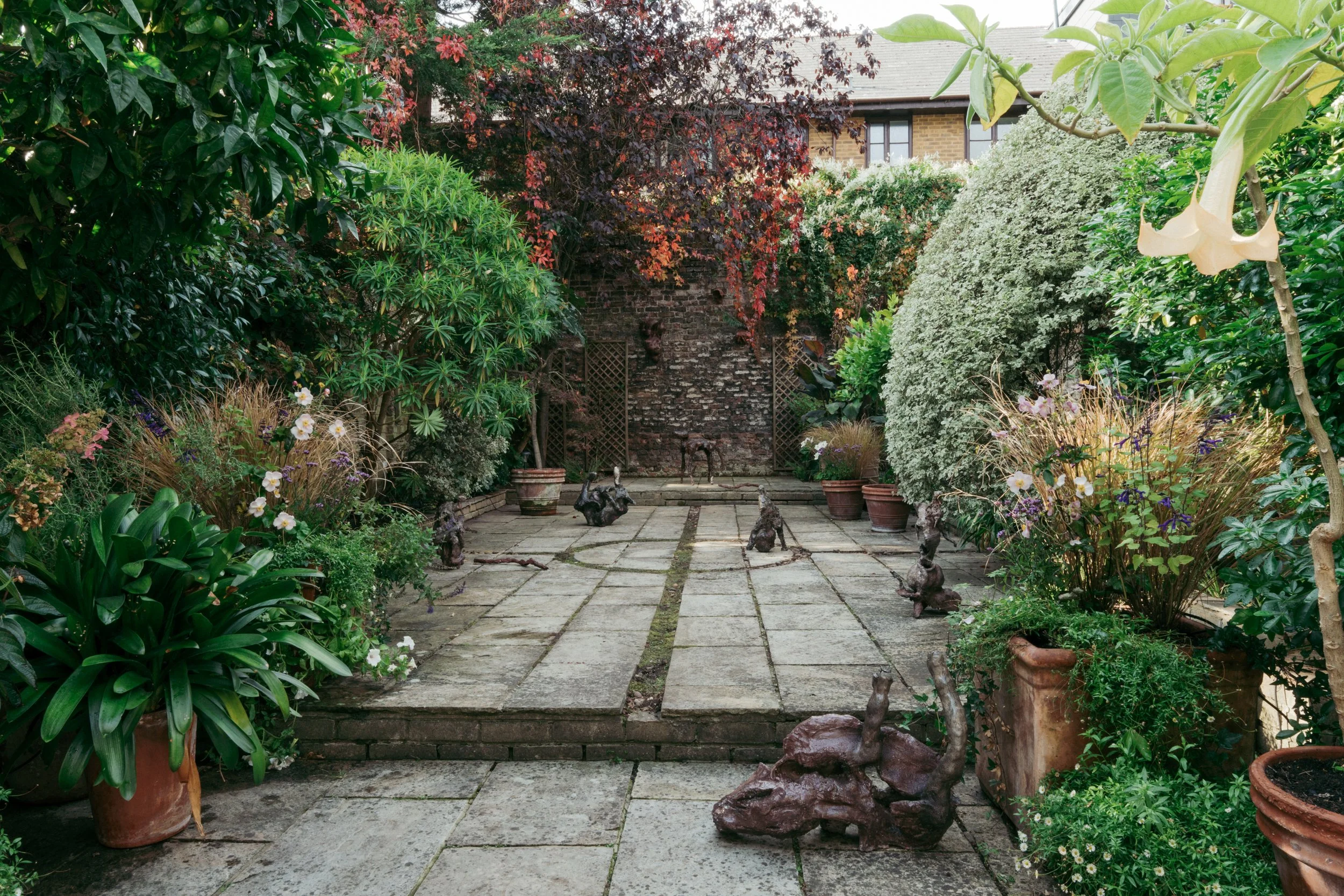
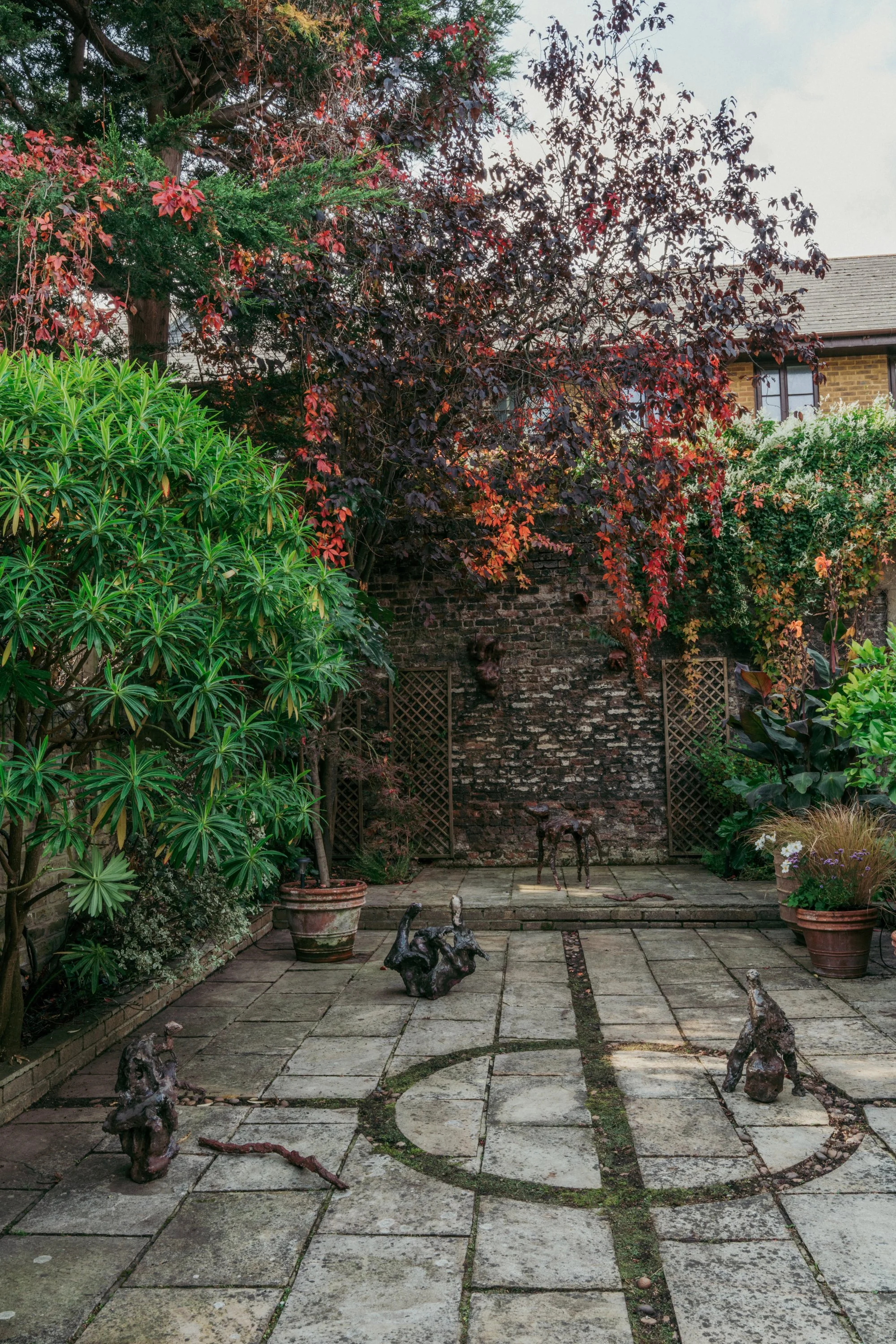
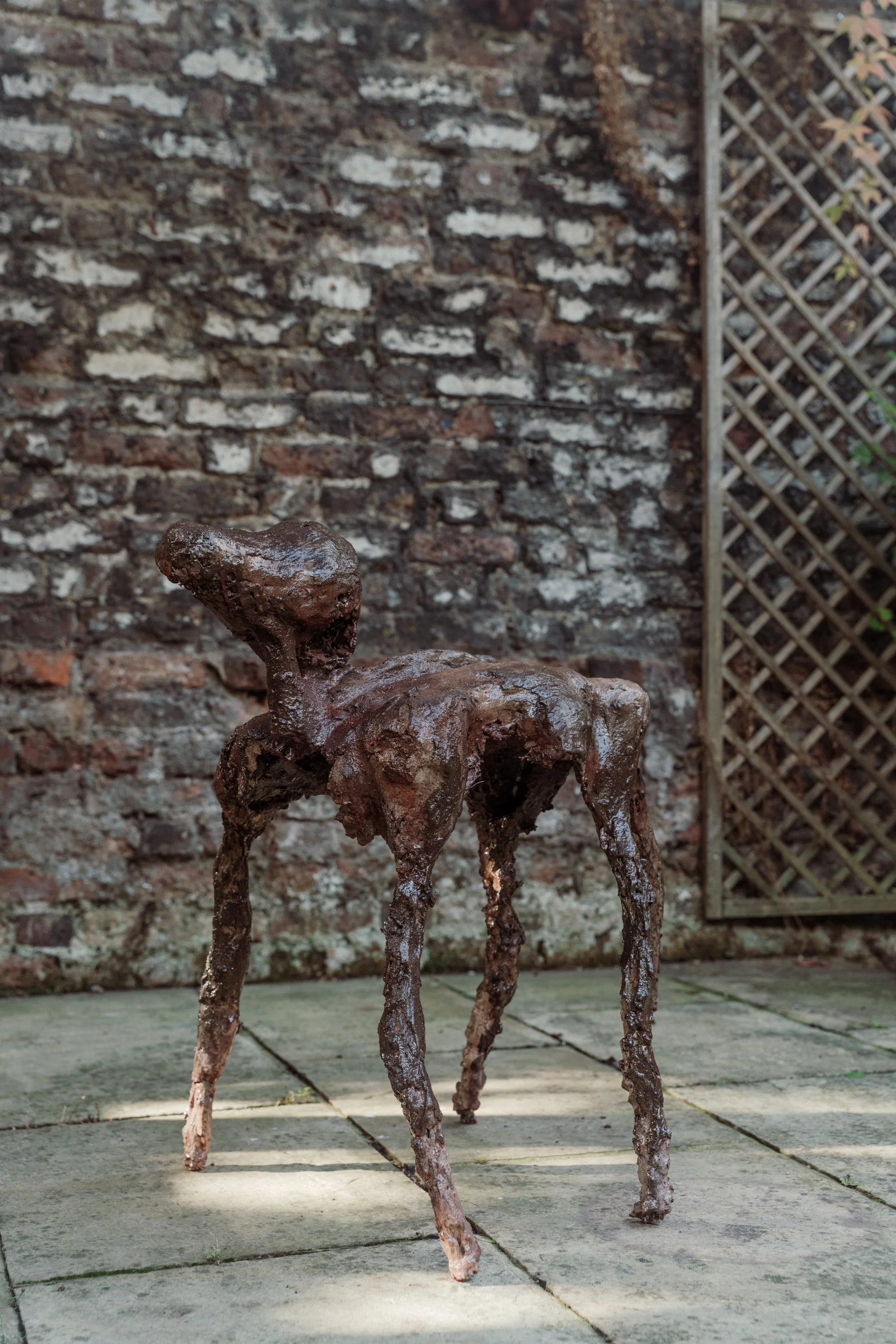
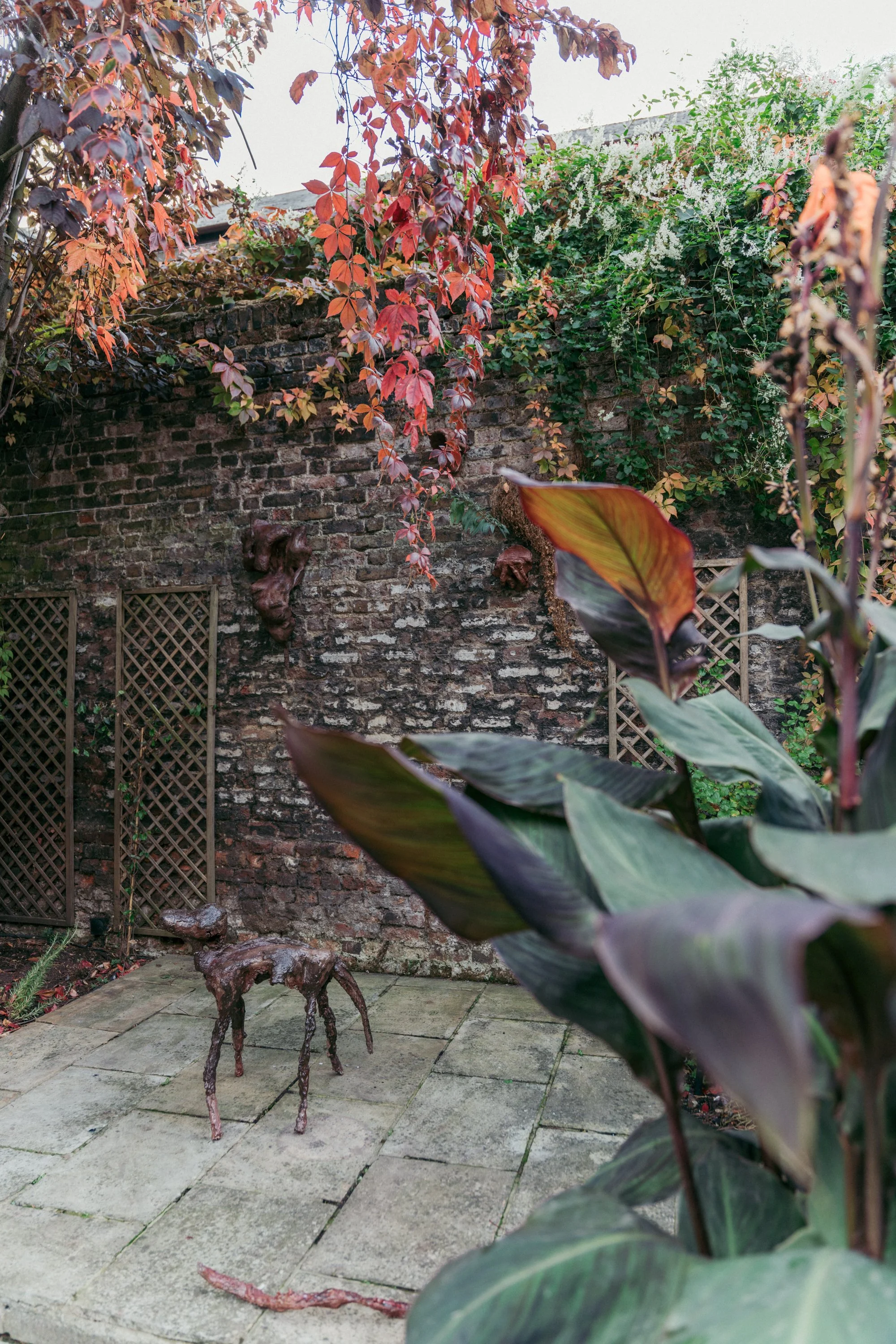
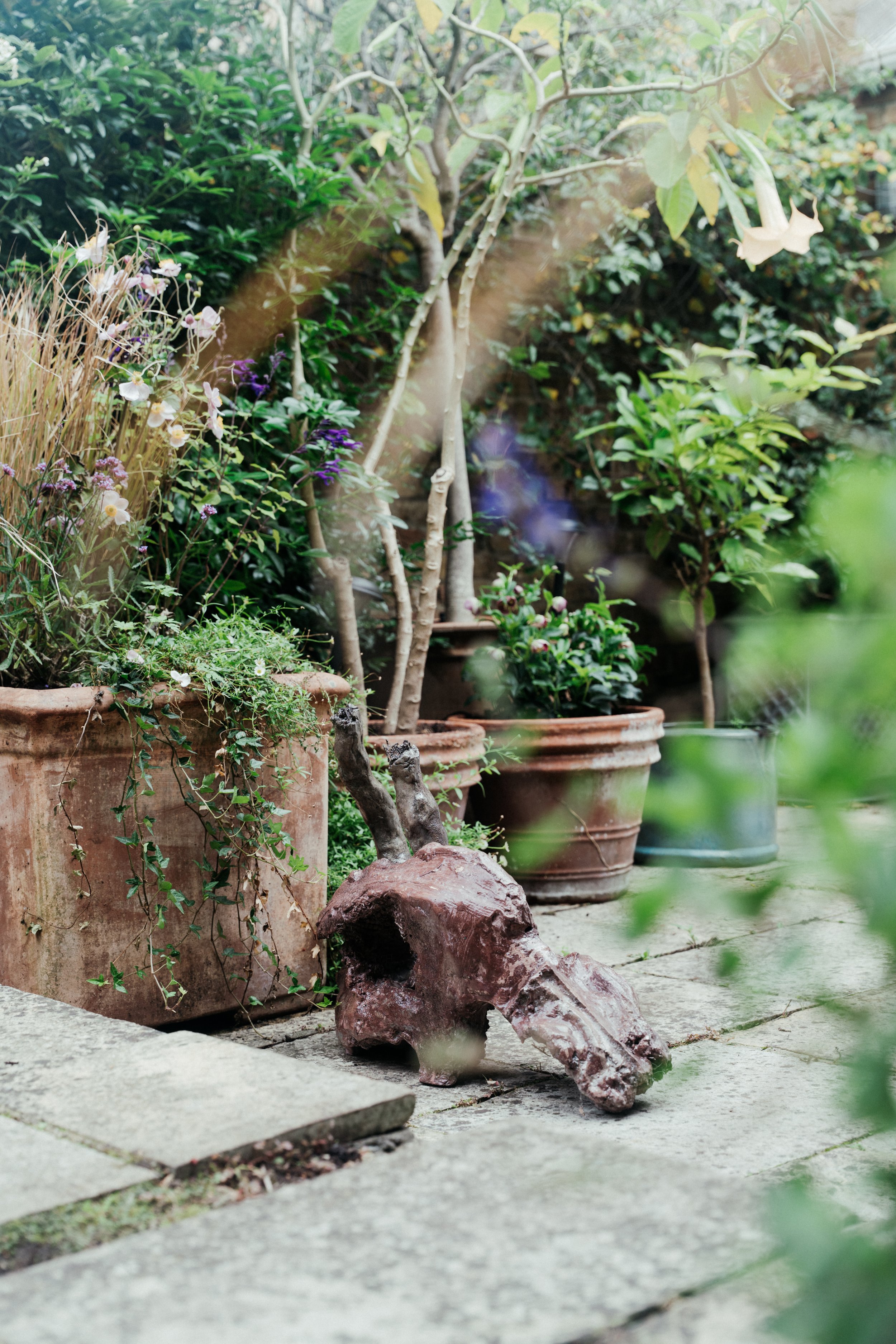
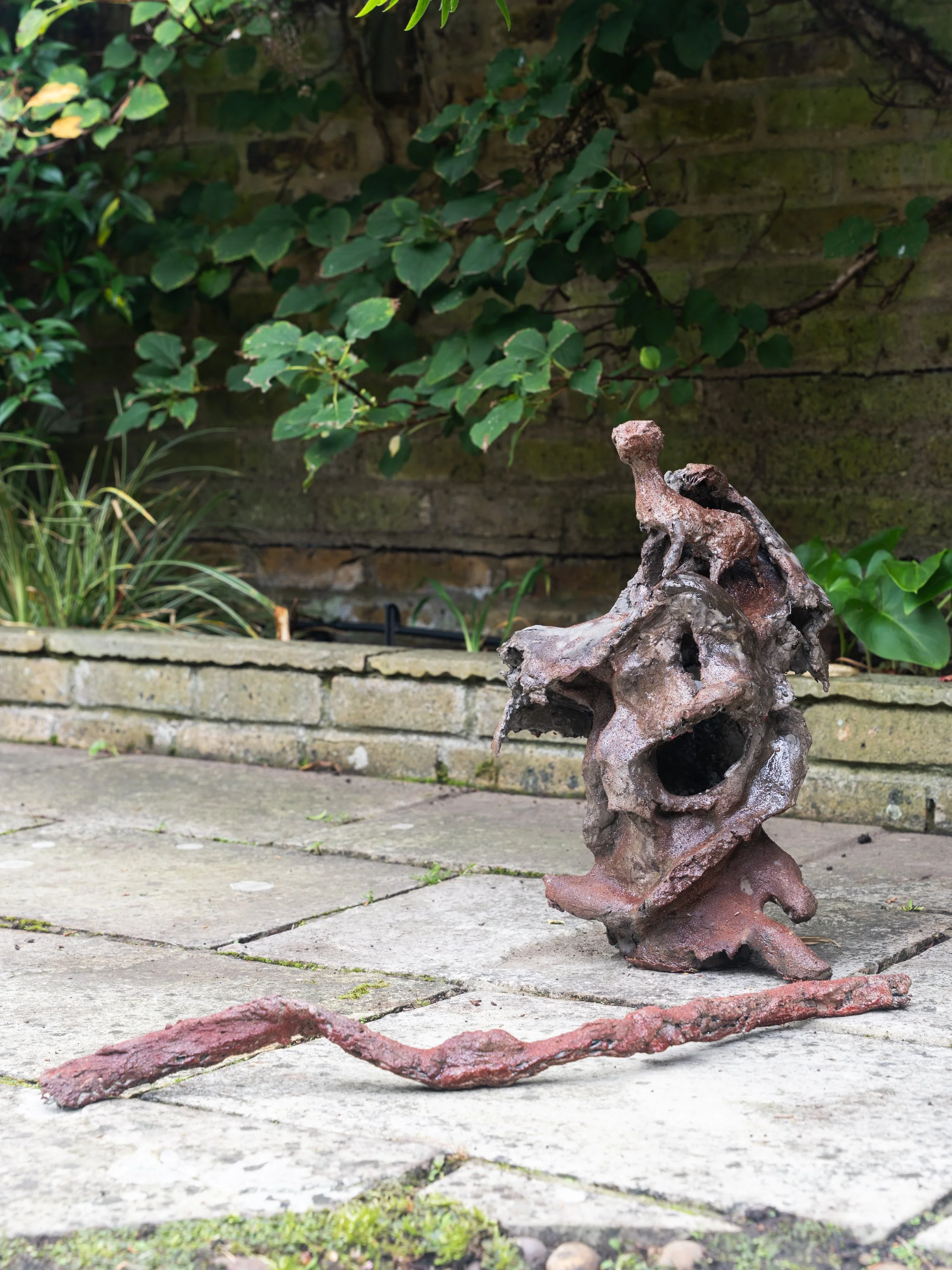
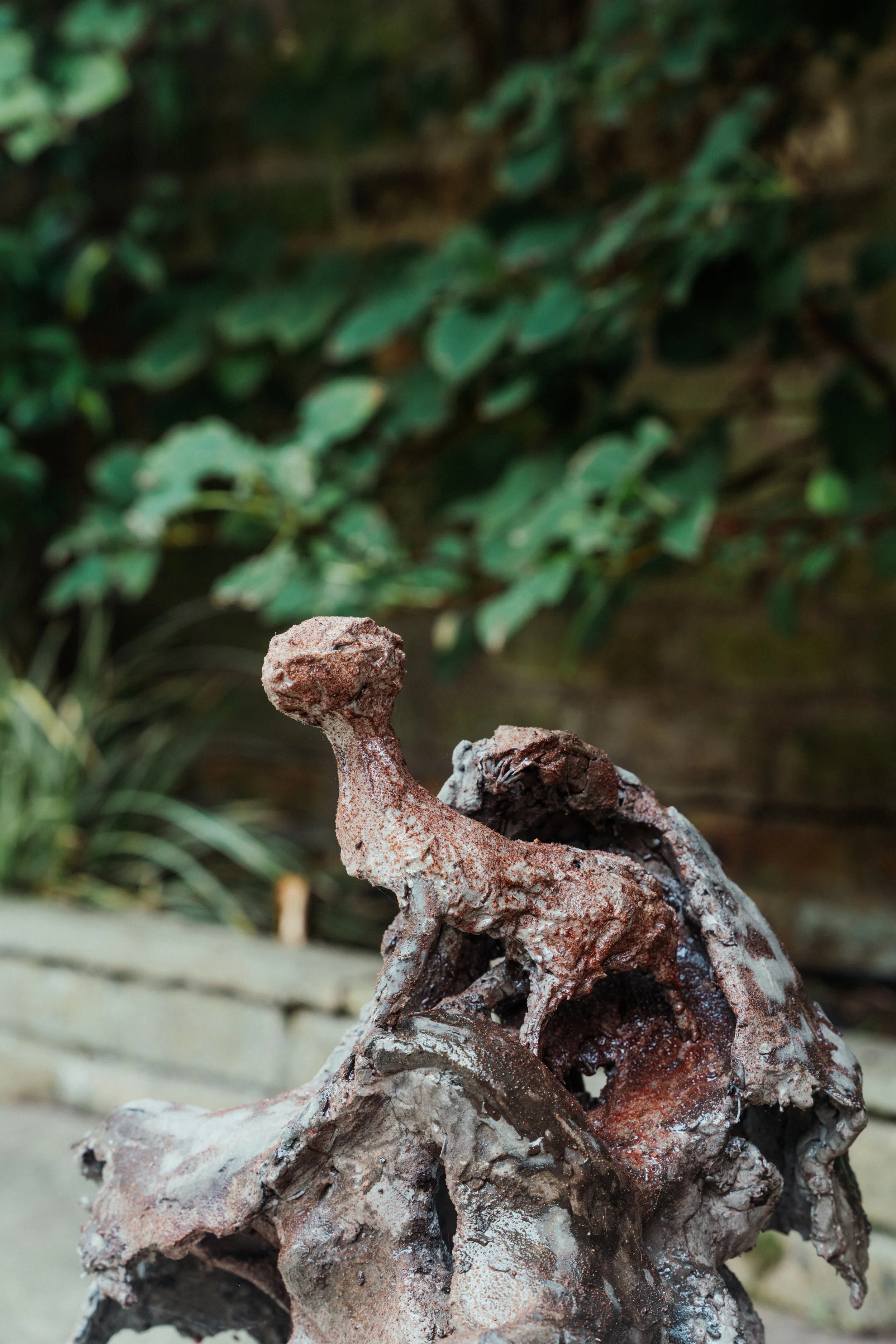
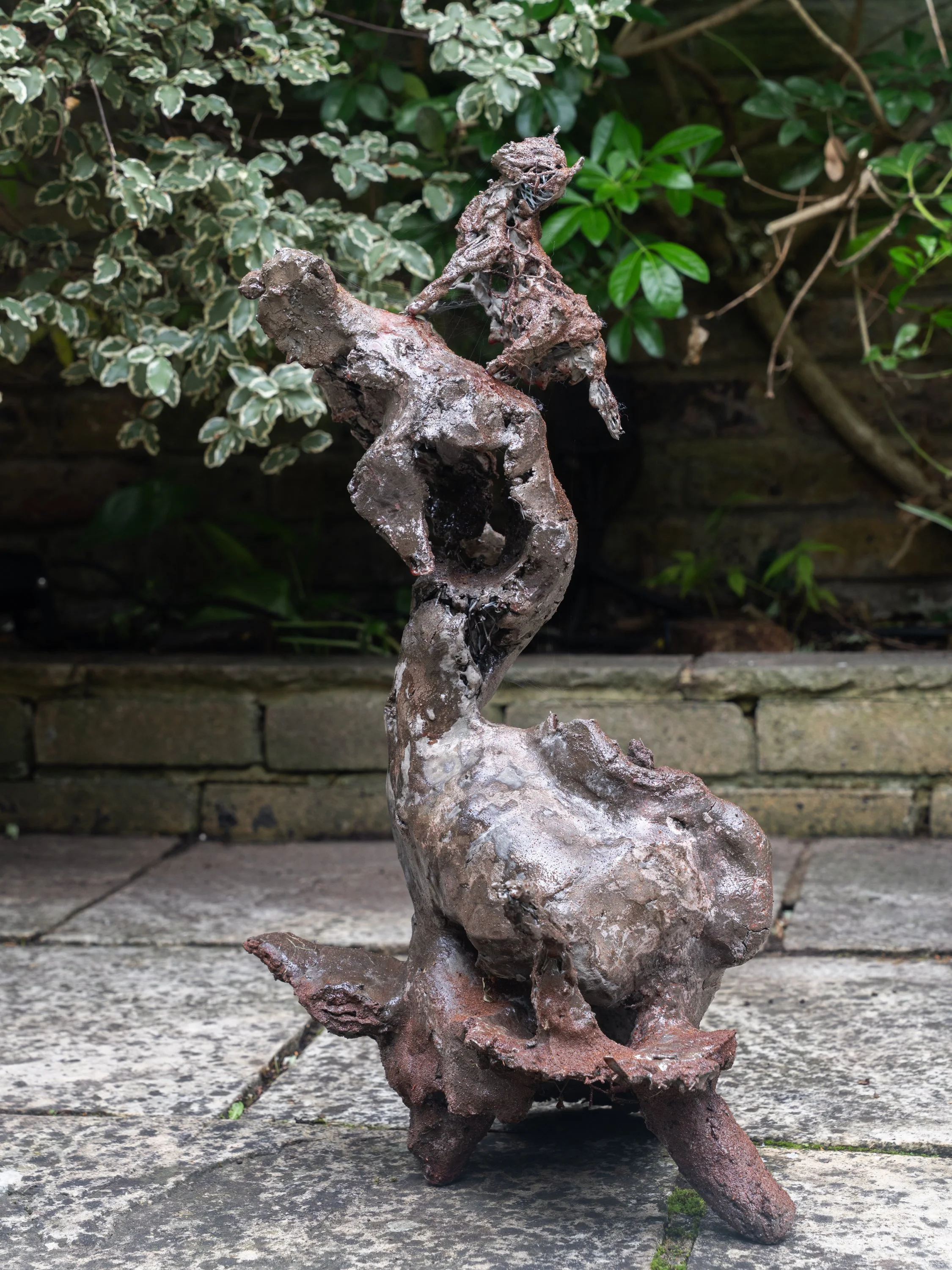
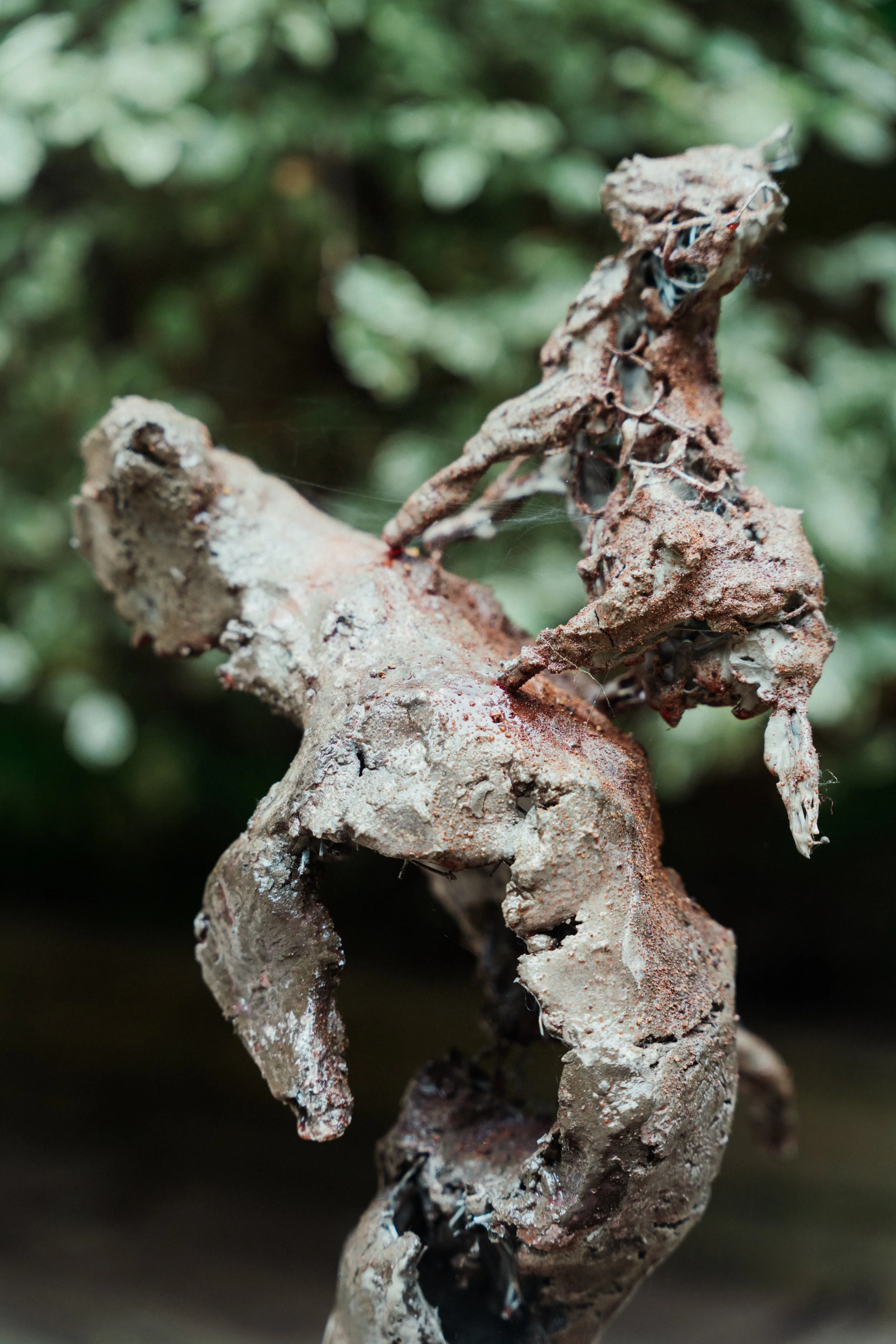
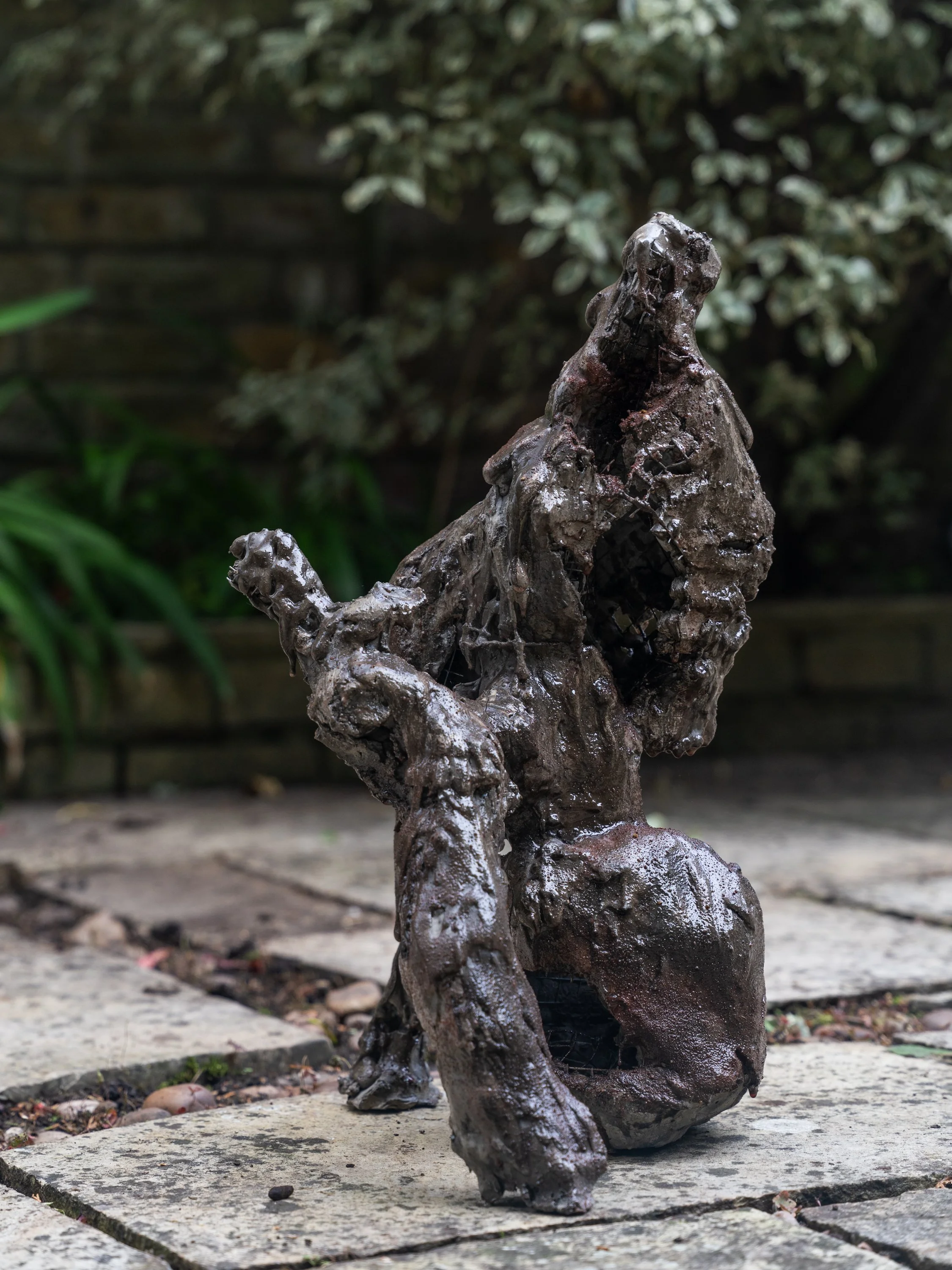
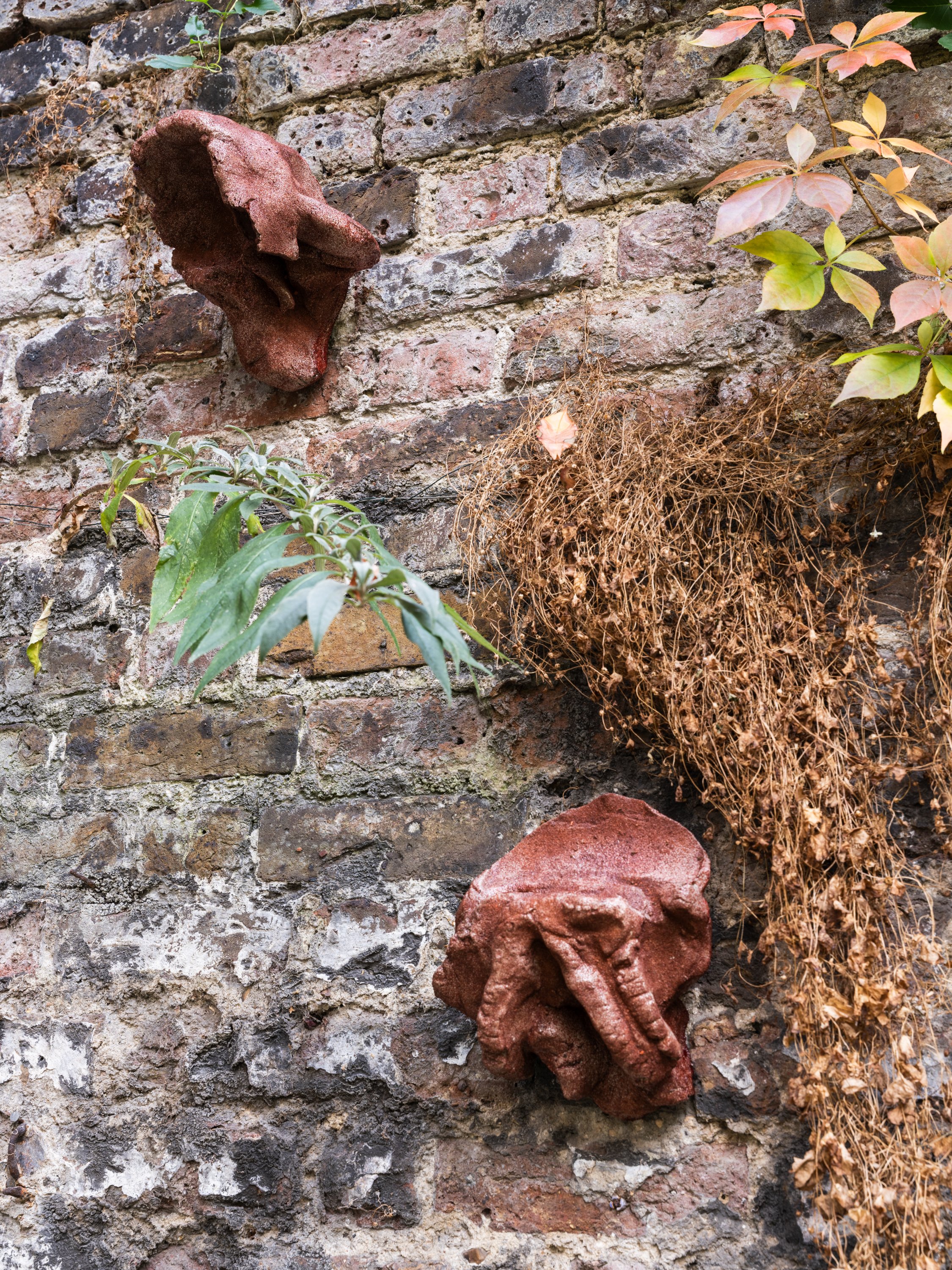
Kirill Basalaev’s amorphous sculptures, placed within the private yet urban environment of a London garden, feels like an encounter or happening. We find disembodied limbs, disfigured busts and featureless faces. Sometimes with the body seemingly turned upside down, or on its side, we are unsure if these creatures are mutilated, moving, or coming into being. Seen in situ amongst foliage, they seem to exist independently from a spectator’s experience, creating a kind of ritualised atmosphere. Are they in communion with another? What are their relations to each other, both literally and spatially? The visceral nature of the figures recalls Francis Bacon’s contorted forms, or Chaïm Soutine’s fleshy, hanging carcasses. Realised in cement rather than paint, it is often through construction material that Basalaev explores traumatic memory, drawing parallels between urban decay and the fragility of human flesh and mind.
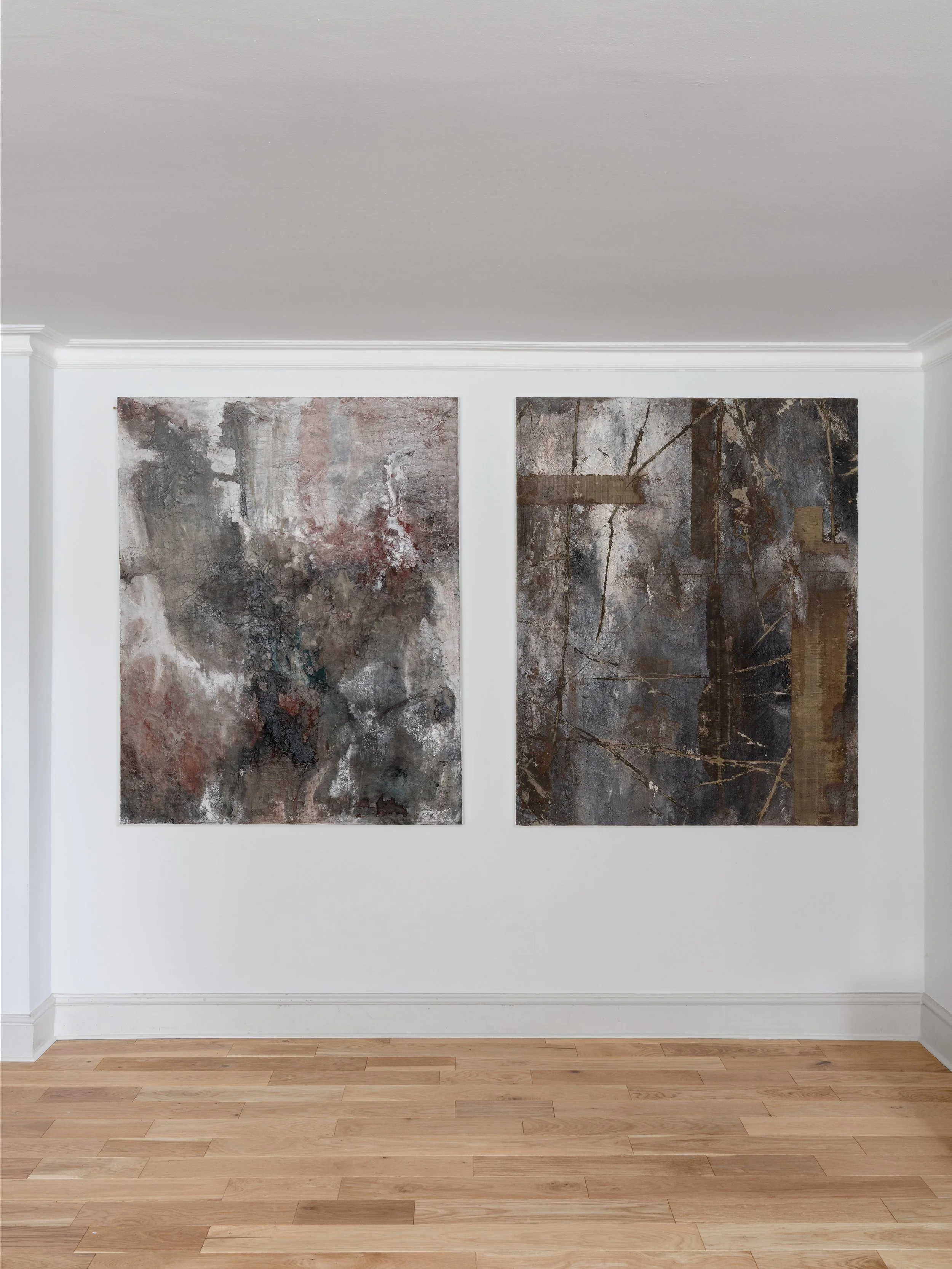
Basaelev’s sculptures grapple with the ideas of the external landscape and inner psyche. In their familiar materiality — cement, filler and sand — they evoke a multitude of buildings in the city. And like these frequented buildings, Baselev allows one to enter his sculptures, by cracks and chips in the very makeup of his figures. Material degradation is treated not with fear, but with artistic recognition: it is the agitated surfaces of his medium that give emotional expression to form. Basaelev is investigating traumatic memory through texture, seeing the city itself as an organism that, like the body, struggles to shield itself from the outside world. In recent years, both scholarship and popular culture have widened our understanding of trauma. The language of trauma often resembles the linguistic register of architecture: we talk of ‘shaky foundations’, ‘collapse’, feeling ‘hollow’. Literature is rife with narratives where building and mind mirror one another, particularly in the domestic sphere (Bertha Rochester’s confinement to the attic in Jane Eyre, or a slow descent into madness in Charlotte Perkins Gilman’s The Yellow Wallpaper). But for the artist, it is the relationship between the cosmopolitan city and our being that is of paramount concern. The city is at once a place of hope and promise, as well as somewhat inevitable demise and reconstruction. The skyline of London is ever-shifting, just as our mental pathways are rebuilt through rupture and repair.
Although the present works deal with difficult subject matter, Basalaev’s forms, coupled with the garden’s surroundings, offer quiet contemplation rather than abrasive confrontation. We are invited to see the destructive impulse for what is: a part of nature.